


Theft & Shoplifting Defense Lawyers in Seattle & Bellevue

Experienced theft defense for people charged in Seattle, Bellevue, Everett, and Snohomish County.

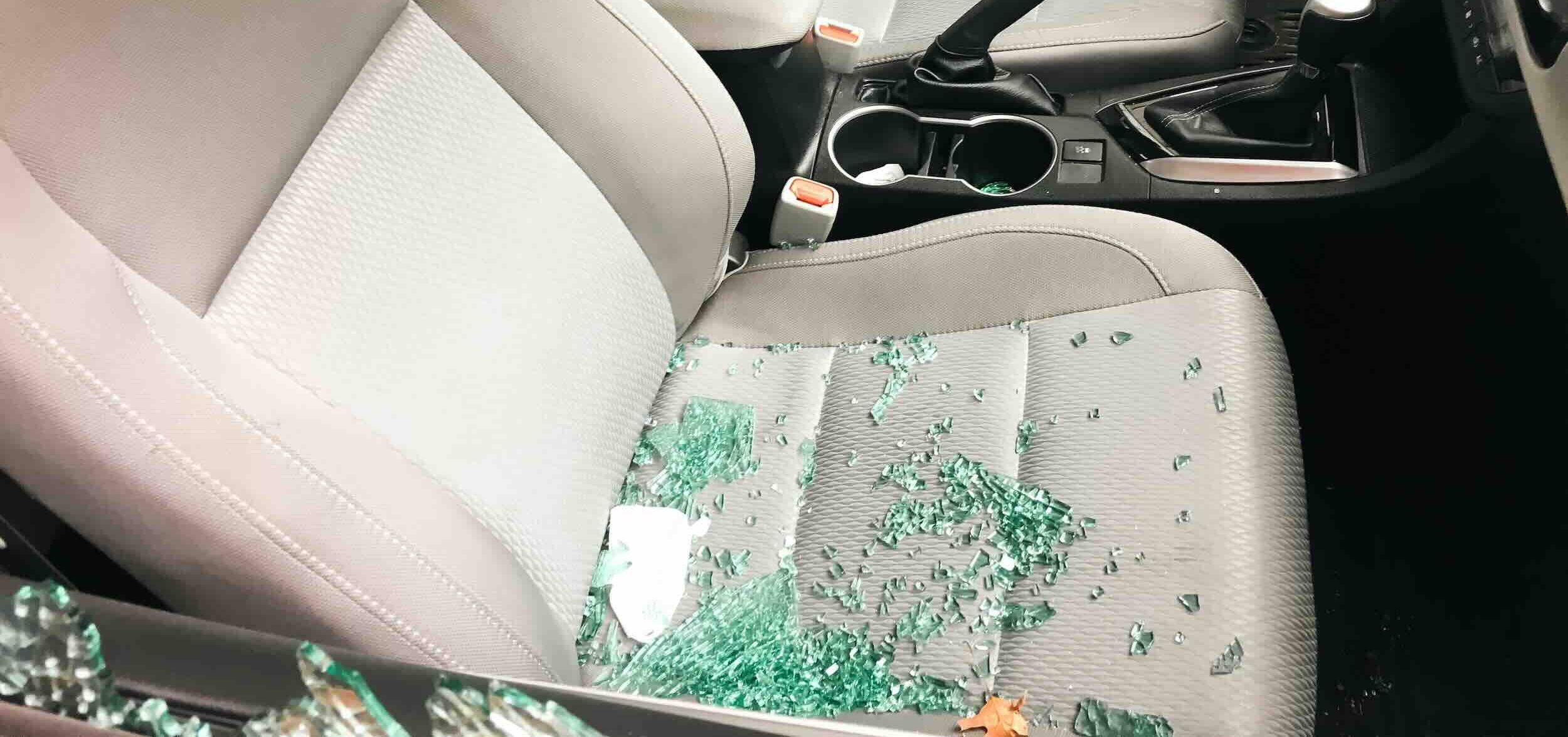
Broken glass on a car seat after a vehicle break-in
Nur Law attorneys in a case strategy meeting

Seattle Theft Defense Lawyers Protecting Your Rights

A theft charge in Washington can follow a shoplifting stop, a dispute over money or property, or an accusation at work. The degree of the charge turns on the value of what was allegedly taken, and the consequences reach beyond the sentence: theft is treated as a crime of dishonesty, and a conviction follows you through background checks for years. Nur Law defends theft and shoplifting cases throughout Seattle, Bellevue, Everett, and Snohomish County, and offers free half-hour consultations.

Contact

Theft Charges in Washington: Degrees and Penalties

Washington grades theft by the value of the property, under RCW 9A.56:

  • Theft in the third degree: property worth $750 or less. A gross misdemeanor, punishable by up to 364 days in jail and a $5,000 fine. Most shoplifting cases are charged here.
  • Theft in the second degree: property worth more than $750 but not more than $5,000. A Class C felony, with up to five years in prison and a $10,000 fine. Theft of a motor vehicle or a credit or debit card is second-degree theft regardless of value.
  • Theft in the first degree: property worth more than $5,000, or anything taken directly from another person. A Class B felony, with up to ten years in prison and a $20,000 fine.

Possessing stolen property is a separate charge with parallel degrees and penalties, and it does not require proof that you took anything yourself.

Shoplifting and Retail Theft

Shoplifting cases are built almost entirely by store loss-prevention staff: their observations, their video, and their written statements. That evidence is often less complete than it first appears, and it can be challenged.

Many people charged with shoplifting also receive a letter from the retailer’s attorney demanding payment, often several hundred dollars, under Washington’s civil shoplifting statute. That demand is separate from the criminal case. Paying it does not resolve the charge, and not paying it is not a crime. Talk to us before you respond to one.

What a Theft Conviction Costs Beyond the Courtroom

Courts and employers treat theft as a crime of dishonesty. A conviction appears on background checks and can affect employment, housing, security clearances, and professional licensing, including nursing, teaching, real estate, and finance. For non-citizens, a theft conviction can carry serious immigration consequences and should never be resolved without advice on that point. These are the reasons that even a low-value shoplifting charge is worth defending.

How Theft Cases Are Defended and Resolved

The State must prove you intended to deprive the owner of the property. Mistake, a genuine belief that the property was yours or that you had permission, and a misunderstanding at a self-checkout are all defenses. The value of the property is also contested ground, because it decides whether you face a misdemeanor or a felony.

Many theft cases can be resolved without a conviction. Depending on the facts and your history, options may include a compromise of misdemeanor, where the case is dismissed after the owner is made whole; a diversion or stipulated order of continuance; or a reduction to a non-theft offense. We look for the resolution that keeps a theft conviction off your record.

Contact Nur Law About Your Theft Charge

If you have been charged with theft, shoplifting, or possessing stolen property, contact Nur Law before you talk to the police, the store, or the retailer’s attorney. We serve Seattle, Bellevue, Everett, and Snohomish County. Call for a free consultation.

Explore all of our criminal defense and DUI services in Everett, Seattle, and throughout Snohomish and King County. You may also find our pages on felony and misdemeanor defense helpful.

Request Support